२०८३ कार्तिक १, शनिबार
October 17, 2026, Saturday
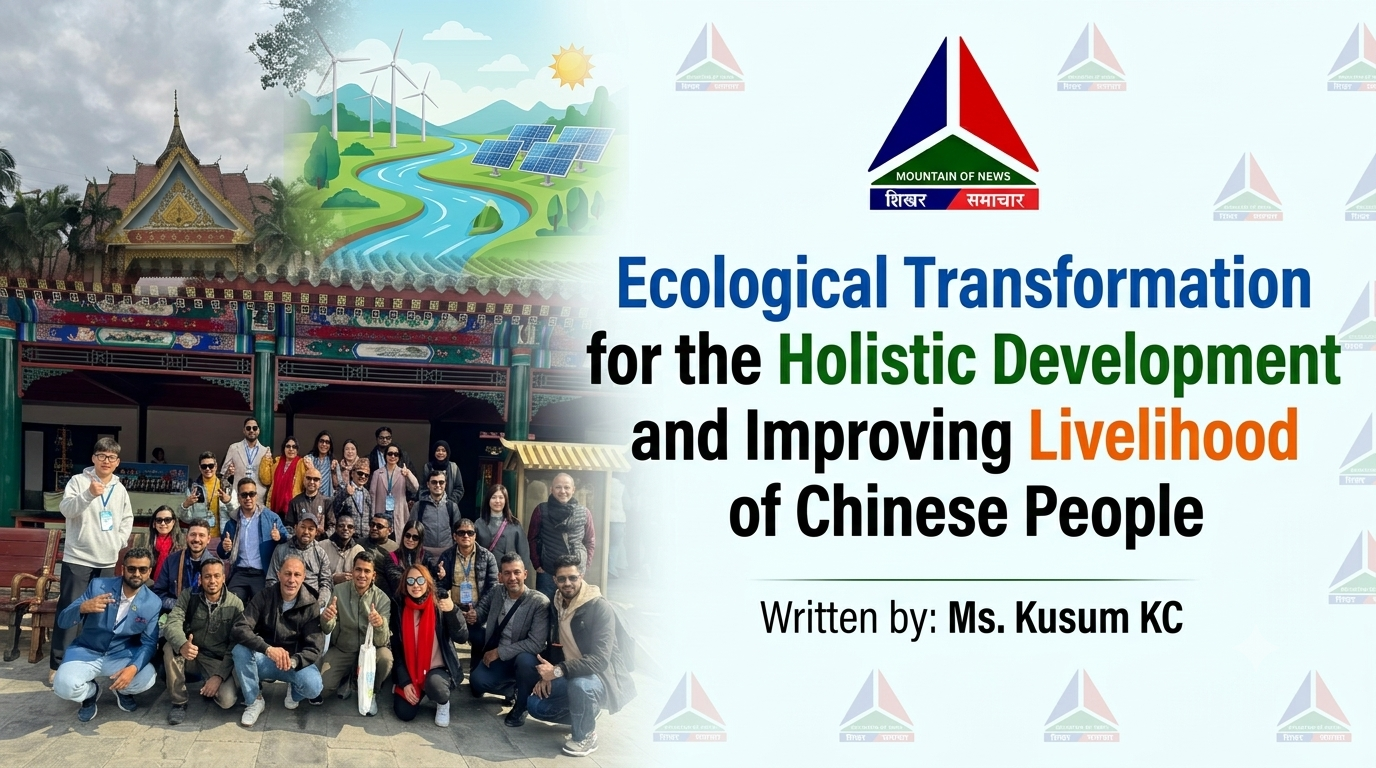
The seminar on “Biodiversity Conservation for Belt and Road Countries for Dual Carbon Goal” was scheduled from 14-27 October 2025, organized by Shenyang Normal University and sponsored by Ministry of Commerce of the People’s Republic of China. There were altogether 35 delegates representing from 7 different countries Costa Rica, Jordan, Malaysia, Maldives, Nepal, Sierra Leone, and South Africa in the seminar. The key lessons learnt from the biodiversity conservation seminar are highlighted as follows:
It emphasized undertaken initiatives for green economic such as eco-tourism, sustainable agriculture, health tourism and renewable energy which can simultaneously reduce poverty and promote environmental sustainability in developing countries. The visits to various ecological sites, including the Ecosystem National Field Observation and Research Station in Fushun City, gave us first-hand exposure to China’s progress in managing its unique ecosystems and biodiversity conservation. I have learn from the inspiring facts and evidences about how rural China has successfully integrated green innovations, technology, and sustainable livelihoods. It helped to understand the alternatives to protect the flora and fauna for balancing the sustainable ecosystem.
“I have learned about practical approaches for wetland rehabilitation, including hydrological restoration, native vegetation replanting, and community engagement to safeguard biodiversity and ecosystem services”. The application of climate risk assessment tool would be helpful to assess the habitat and adoptability. The forest parks, butterfly garden, botanical garden, and nature reserves sites are some examples of wetland restoration.
It was insightful to understand the ecological and economic impacts of invasive species, highlighting prevention, early detection, and international collaboration as key to mitigating biological invasions. Also, it helps to understand the non-linear relationship of alien species richness with island area. For balancing the ecosystem, the requirement of saving all species is essential. Some of the action related to driving factors includes resource extraction, pollution, climate change, land use change, and urbanization have widen the international trade and invasive alien species. The transportation modes and technological innovations facilitate species spread with the technological advancement such as steamships, containerization, refrigerated transport, and air freight.
It gained insights into China’s win-win cooperation philosophy under the Belt and Road Initiative, emphasizing inclusive development, cultural exchange, and environmental protection through multilateral partnerships. This journey has been a lifetime experience—one that strengthened our commitment to protecting our planet’s biodiversity and advancing collaborative action among Belt and Road countries. It also contribute to achieve sustainable development goals through partnership model and localization concept.
It realized the importance of shifting from isolated conservation efforts toward coordinated regional and global actions that address cross boundary environmental challenges collectively. The collective efforts and shared responsibility become helpful for the accountability mechanism and credibility of the results. The collaborative action for balancing local production and consumption make more responsible to achieve a common shared vision for environmental sustainability.
It recognized that cultural diversity and ecological diversity are interconnected, and fostering mutual respect among civilizations supports both social harmony and environmental stewardship. The clash of civilizations and inter culture become helpful for the mindset change, human development, and behavioral change. It helps to build a new global order of politics, safety, economy, culture and organisms habits. We visited UNESCO World Cultural Heritage sites, and Shenyang Imperial Place to explore the historical development of the birthplace of China’s Qing Dynasty and the origins of Liaohe River Civilization.
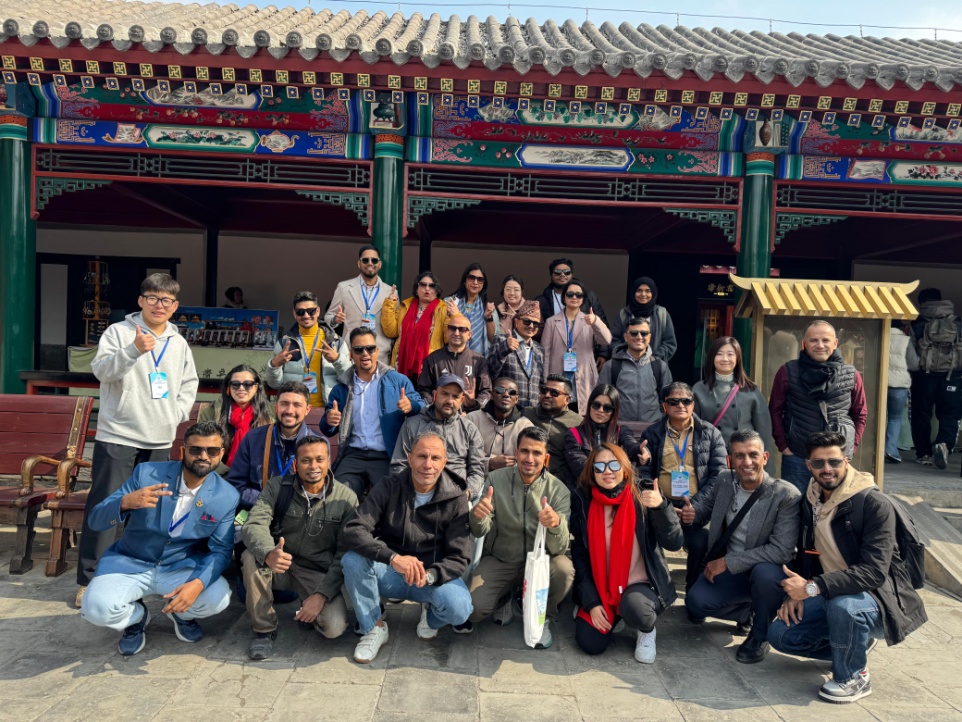
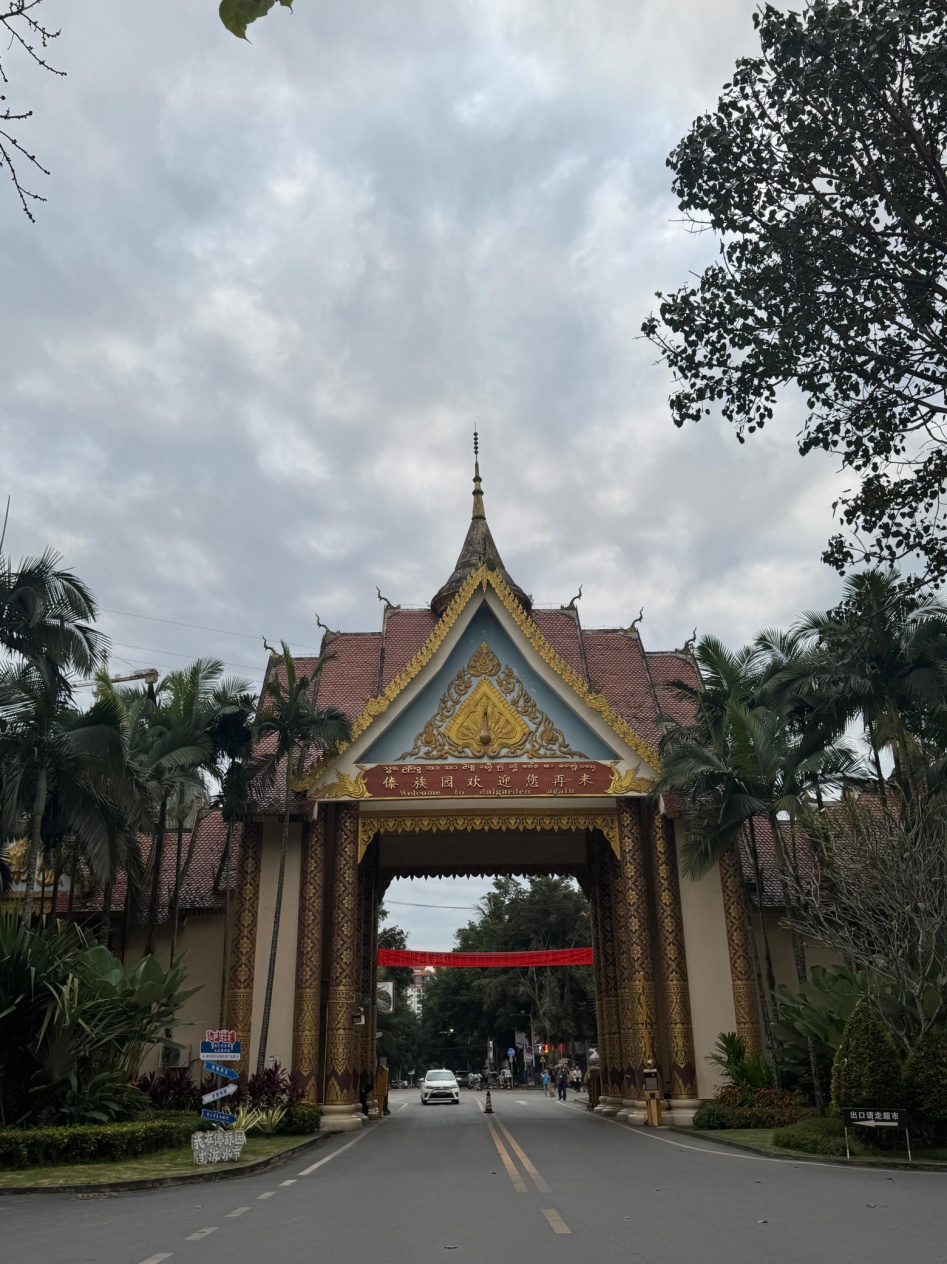
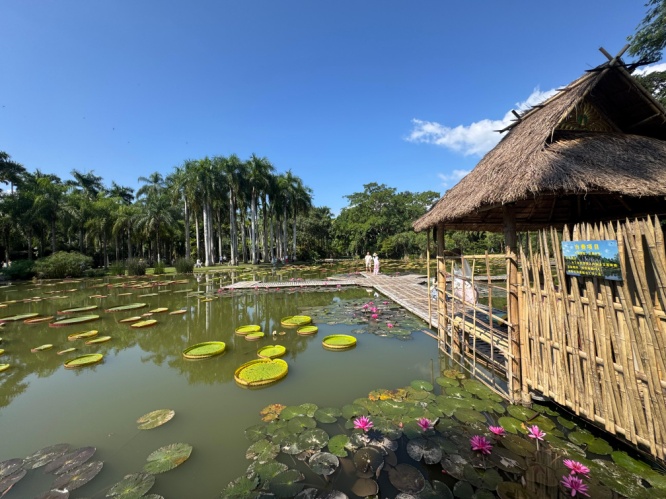
It underlined the critical role of robust institutional frameworks, leadership, and policy enforcement in restoring and managing forests, parks, and nature reserves effectively. Our field exposure in Yunnan Province was particularly remarkable. We visited the Asian Elephant Breeding and Management Center and the Xishuangbanna Tropical Rainforest Nature Reserve, which offered us a close look at how conservation efforts are practically implemented. We also explored the Chinese Academy of Sciences Botanical Garden, where we observed rare plant species and cutting-edge research in biodiversity conservation.
It covered the sustainable trade practices and environmental safeguards to ensure that economic development under the Belt and Road Initiative aligns with ecological integrity. We have gained invaluable knowledge and insightful strategies for biodiversity conservation, governance models, and poverty alleviation through ecological restoration in china. The sessions offered us a deeper understanding of the country’s efforts to achieve its dual carbon goals-balancing development, innovation and AI with environmental sustainability. We were deeply impressed by the discussions on the status of biodiversity, ecosystem management, and the challenges and innovative frameworks that China has undertaken. The Belt and Road Initiative (BRI) on resource security and trade, environmental resources impacts from trade, water security and trade, and sustainability trade would be contributing to achieve common SDGs goal. Online- shopping and block chain design enhances the digital trade system whereas AI and scape metal trade, and sustainable supply for critical minerals and metals contributed to the trade and circular economy in the developing countries.
It explored the use of big data, artificial intelligence, and monitoring platforms to support evidence- based decision –making for biodiversity management and carbon reduction. The data gives facts which helps to support in decision making, advocacy, and evidence synthesis.
The lecture session becomes helpful to understand how the biodiversity conservation contributes to disease prevention. For example, the malaria vector control through habitat management and locust eradication as part of integrated ecosystem approaches. The ways of dealing with the insects which are harmful to human health became one of the learning from traditional belief into mindset change. The session highlighted the interconnectedness of human, animal, and environmental health in achieving sustainable development and climate resilience. The biodiversity conservation would be very supportive for minimizing the rising burden of non communicable diseases with modification in lifestyle factors.
It highlighted the need to bridge research findings with policy making and practical implementation to ensure that conservation efforts are both scientifically sound and socially relevant. These experiences not only enriched our scientific understanding but also touched us culturally. We learned about China’s rich heritage, diverse cuisine, and warm hospitality, and we built meaningful connections that will surely continue beyond this seminar.
Conclusion: We are determined to share the above lessons we have learned here in Shenyang and Yunnan province of China and dedicated to transform them into tangible actions that contribute to a more sustainable, greener, and resilient future for all. Last but not least, we are very thankful to the Ministry of Commerce of the People’s Republic of China, Shenyang Normal University, professors, all distinguished delegates and volunteers for making this seminar such a valuable and unforgettable experience. Meanwhile, Nepal is eager to implement Belt and Road Initiative for building a community of shared future.
Written by:
Ms. Kusum KC
कुबेर खड्का चीन सरकार को सहयोगमा मे २८ देखि जुन...